 English
 Español
Contact Us For
One-Stop Service
One-Stop Service
Please fill in your detailed needs, our sales staff will revert to you shortly.
For global procurement managers in the footwear, handbag, and upholstery industries, the matrix of sourcing has fundamentally shifted. Finding an artificial leather supplier in China is no longer just about haggling over the lowest price per yard. Instead, today's competitive edge is determined by two critical factors: inventory holding costs and bulletproof chemical compliance.
As market demands fluctuate rapidly, holding heavy physical inventory on your local shores introduces massive financial risks. Below, we break down how modern supply chain structures—specifically the "Chinese Cloud-Warehouse" framework—and rigorous lab compliance are reshaping B2B textile sourcing for international brands.
To understand why high-performance synthetic suede outperforms natural hide, we have to look closely at its structural composition.
Traditional faux suedes often rely on standard polyester matrices bound by solvent-based polyurethanes (PU). This manufacturing method utilizes dimethylformamide (DMF), a hazardous chemical volatile compound increasingly restricted under international environmental laws.
Modern material engineering solves this by combining two distinct innovations:
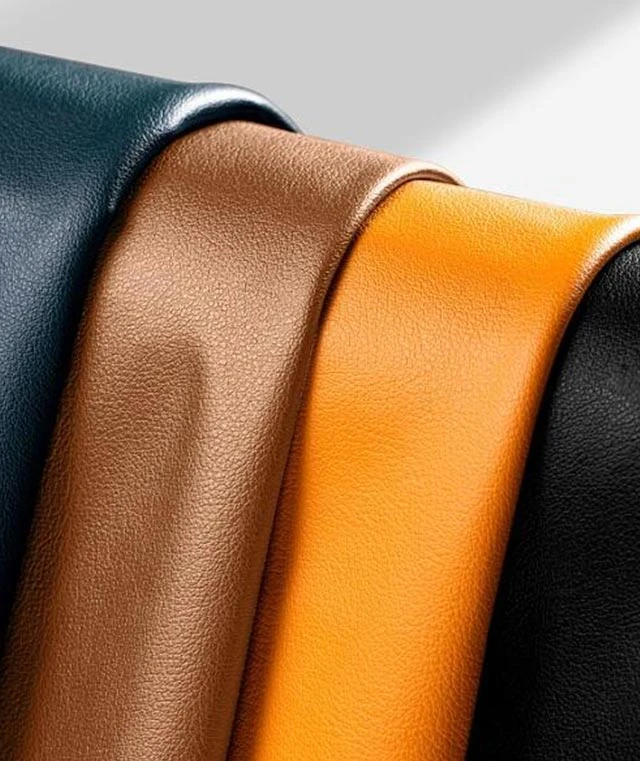
This specific material combination provides a synthetic suede that delivers the same buttery, skin-friendly texture as premium animal hide, but without the chemical odor, toxic footprint, or inconsistent density of natural leather.
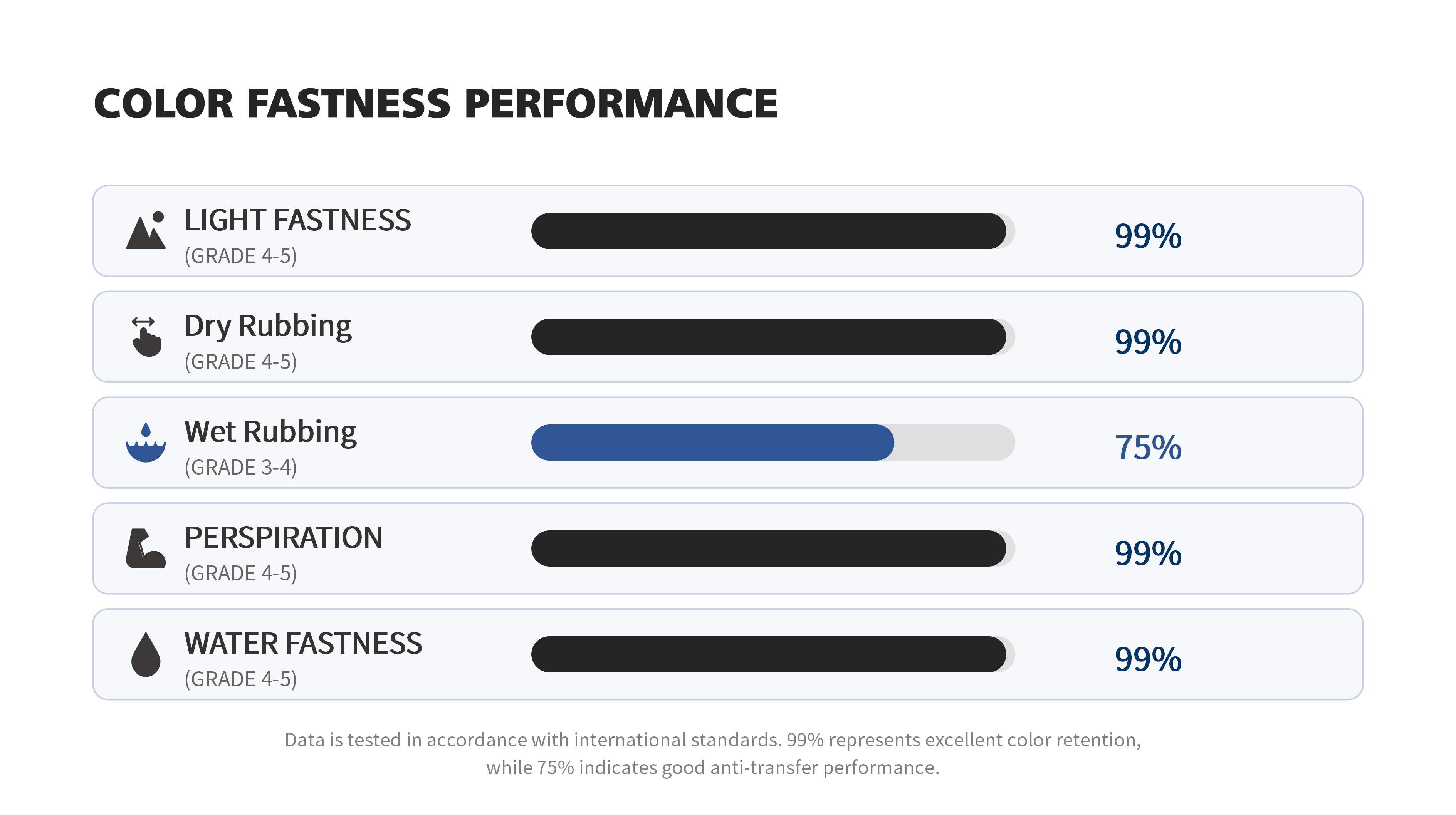
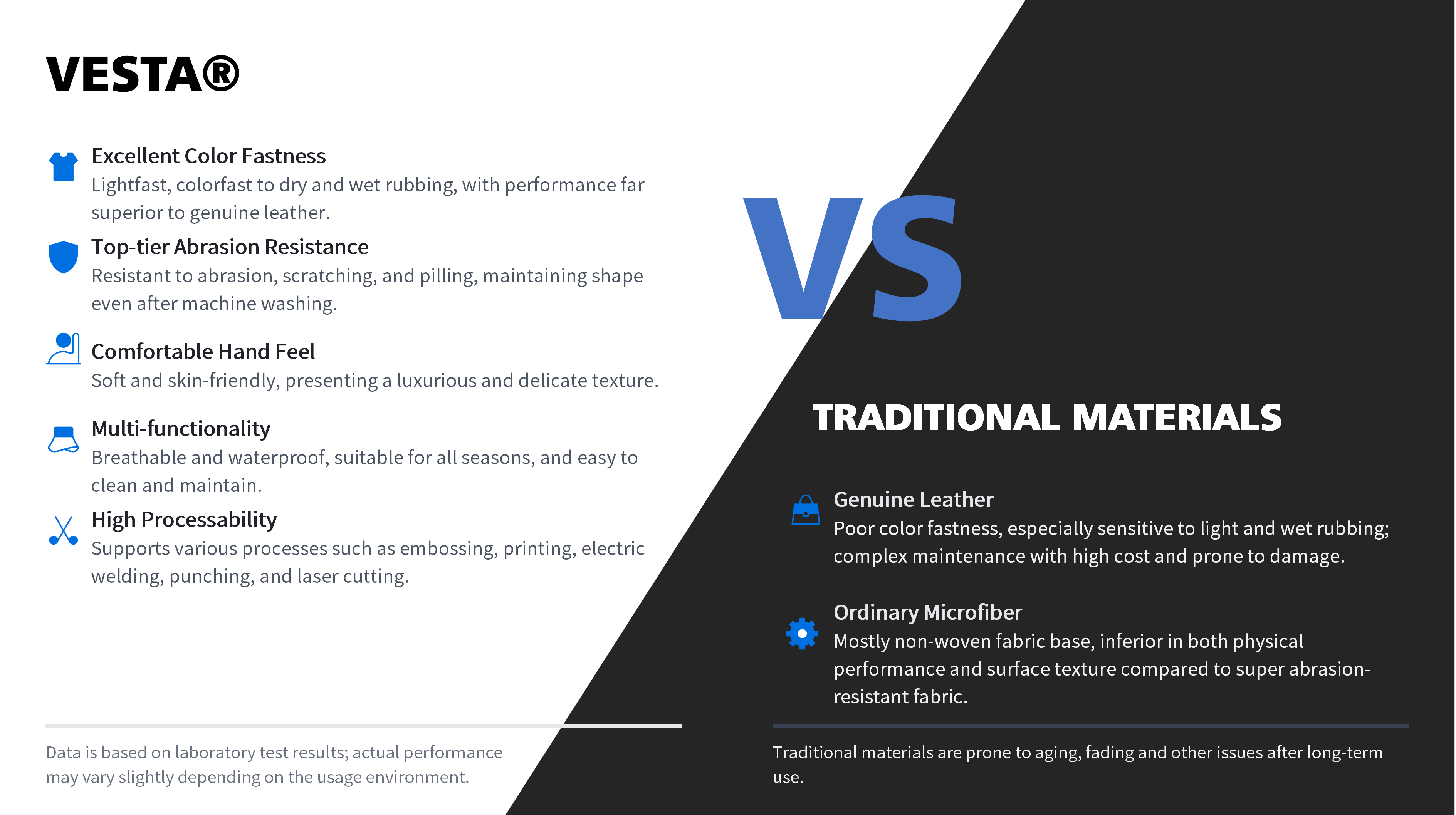
Designers love genuine suede for its rich aesthetics, but product development engineers struggle with its inherent functional weaknesses. Natural suede fails under wet conditions, fades quickly under sunlight, and has poor resistance to dry and wet rubbing.
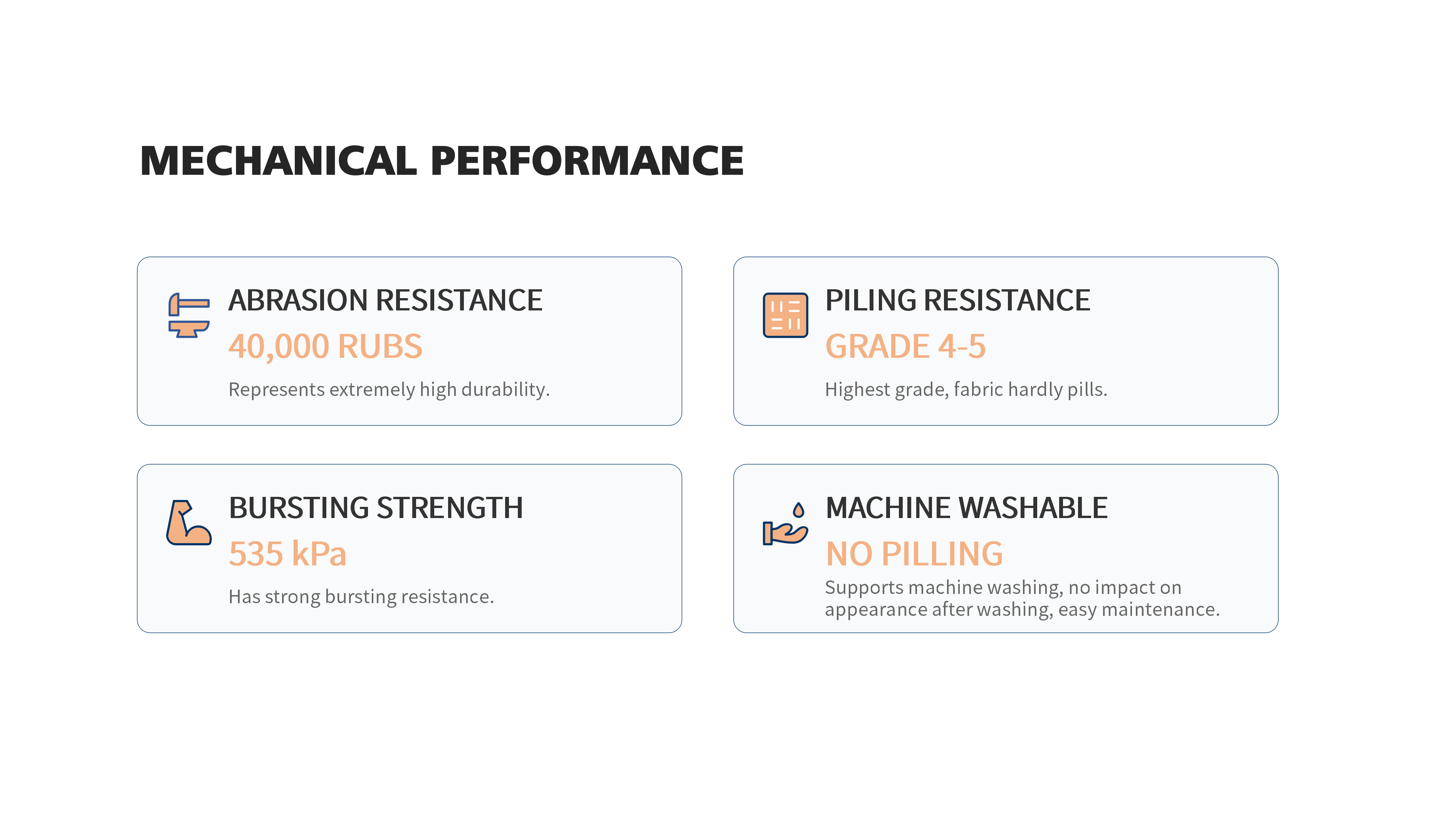
Advanced water-based microfiber suede modifies these physical properties through precision manufacturing. Independent laboratory evaluations—including verified validation from organizations like SGS and Intertek—highlight the massive performance gap between natural materials and engineered microfiber:
From a commercial procurement and production perspective, natural leather introduces heavy material waste. Irregular shapes, branding marks, and insect bites on natural hides force cutting yields down to 60-70%.
Engineered microfiber suede is supplied in uniform, continuous rolls with consistent thickness across every single yard. This uniformity increases cutting efficiency to near 95%, sharply reducing raw material waste and lowering overall production costs.
Furthermore, this engineered substrate provides unmatched flexibility for secondary design modifications:
[Engineered Suede Substrate Customization Matrix]
Whether a brand requires advanced flame-retardant properties for aviation seating, water-repellent barriers for outdoor gear, or high-definition embossed branding for fashion accessories, the base microfiber material acts as a versatile canvas for advanced technical modifications.
Choosing the right materials is no longer just an aesthetic decision; it is a critical strategy that impacts supply chain efficiency, global legal compliance, and brand reputation.
By replacing fragile, non-compliant materials with an advanced technical solution like Vesta® Super Suede, brands can effectively reduce post-purchase customer complaints and optimize production yields. Aligning your product development with integrated supply chain innovators like Wenzhou Sing rui International Trade Co., Ltd. ensures that your brand captures high-end market share through superior durability, environmental safety, and verifiable material performance.